- Pro
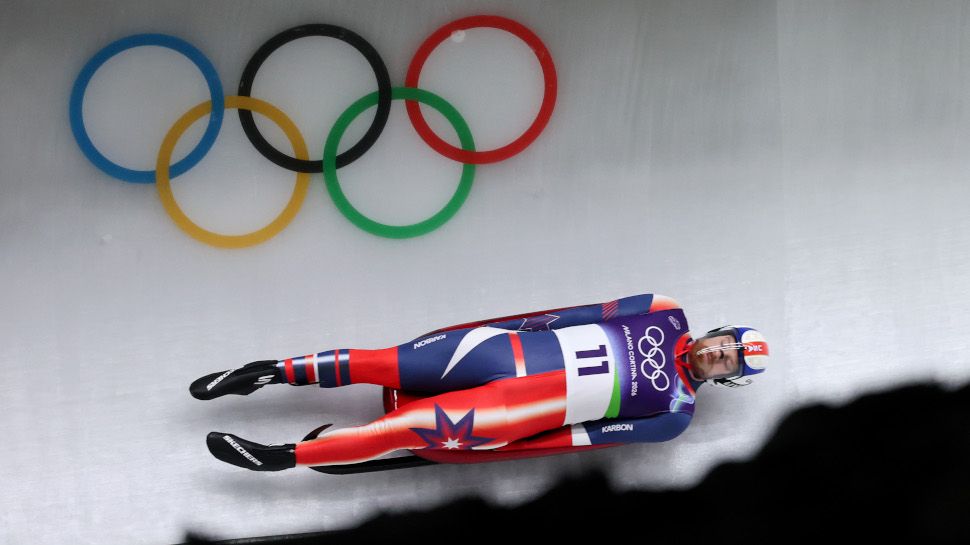
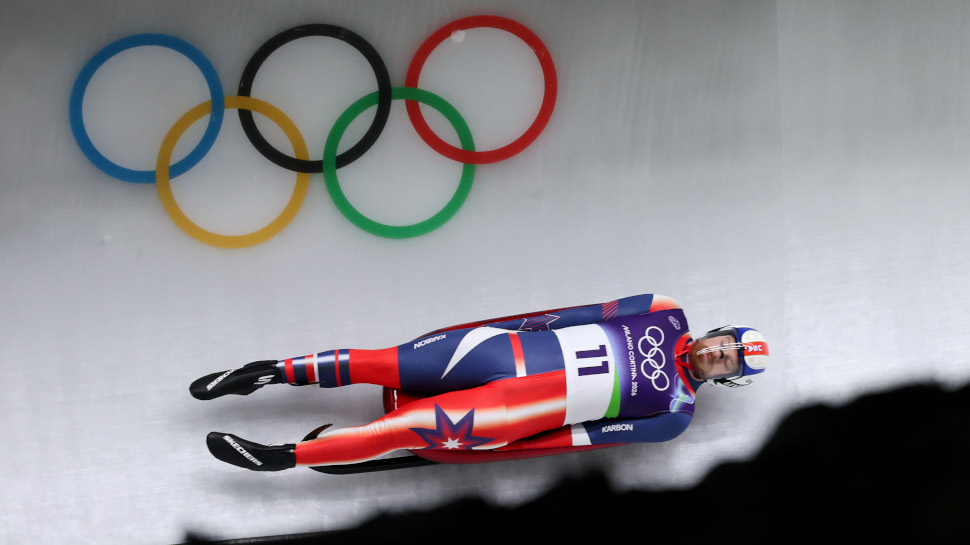
HPE is going for gold in Milan-Cortina 2026
When you purchase through links on our site, we may earn an affiliate commission. Here’s how it works.
 (Image credit: Getty Images / Richard Heathcote)
- Copy link
- X
- Threads
Sign up for breaking news, reviews, opinion, top tech deals, and more.
Contact me with news and offers from other Future brands Receive email from us on behalf of our trusted partners or sponsors By submitting your information you agree to the Terms & Conditions and Privacy Policy and are aged 16 or over.You are now subscribed
Your newsletter sign-up was successful
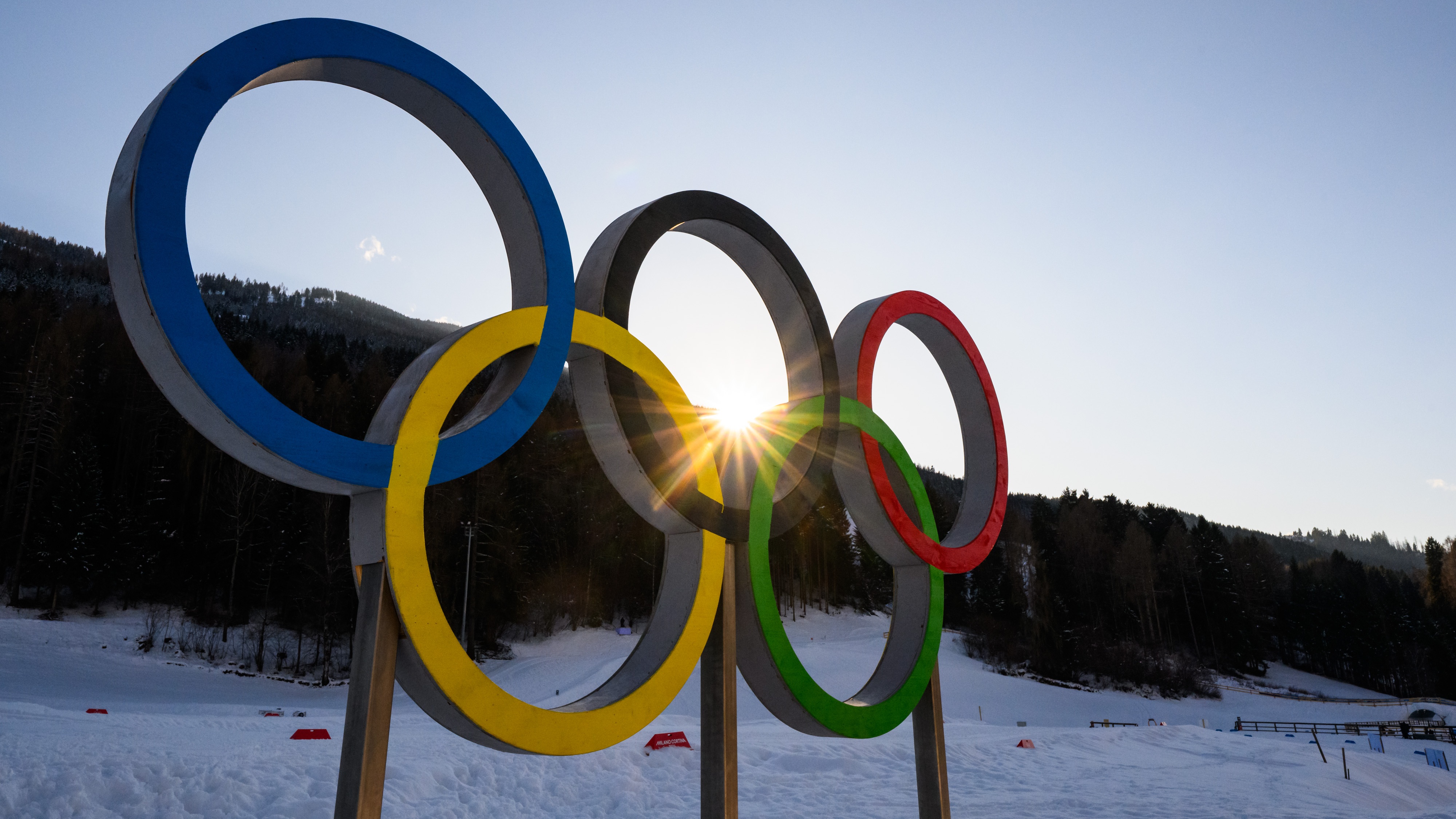
An account already exists for this email address, please log in. Subscribe to our newsletterThe 2026 Winter Olympics in Milan-Cortina was one of the most demanding in modern times, being spread across three regions in northern Italy, making it the most geographically-widespread games ever.
So with over 3,000 athletes needing reliable coverage and connection over 40 sites and venues at locations across 22,000 square kilometers, the challenge was set for HPE, the official network equipment hardware partner of the Winter Olympics.
You may like-
 The next frontier for AI-ready connectivity: efficiency in deployment
-
 The AI race explodes as HPE deploys AMD’s Helios racks, crushing limits with Venice CPUs and insane GPU density
-
 Powering the AI data center boom: the infrastructure upgrades behind innovation
"This is more than just connectivity"
"Our work for Milano-Cortina is helping create a new generation of network that is AI-driven, secure and automated," Claudio Bassoli, MD, HPE Italy, said at a media event in Milan attended by TechRadar Pro.
"This is more than just connectivity, this is about creating an ecosystem where every interaction, every piece of content and every operational decision is made easier in this way...networking is more than something bigger, an the enabler of emotion, immersion and safety - helping fans feel closer to the action, it helps media players to play faster, and helps the organizers deliver truly world-class events with confidence."
As Rami Rahim, EVP, President and GM, Networking, HPE, notes, "legacy networks do not cut it in the AI era, it's as simple as that - it's no longer about speeds and feeds, a network that is up is no longer necessarily a network that performs."
Nowhere is that more true than the Olympics, where HPE expects petabytes of data to be transferred across over a million connected devices, but the experience also needs to be seamless for visitors, coaches, media and the athletes themselves.
Are you a pro? Subscribe to our newsletterContact me with news and offers from other Future brandsReceive email from us on behalf of our trusted partners or sponsorsBy submitting your information you agree to the Terms & Conditions and Privacy Policy and are aged 16 or over."Traditional networks were not designed for this kind of games," notes Stefano Andreucci, senior Sales director, South Europe, networking HPE, "they were not designed to do AI, native automation, end-to-end security and real-time adaptability, so we are delivering a network that is AI-native, that is secure, and that is easy to operate."
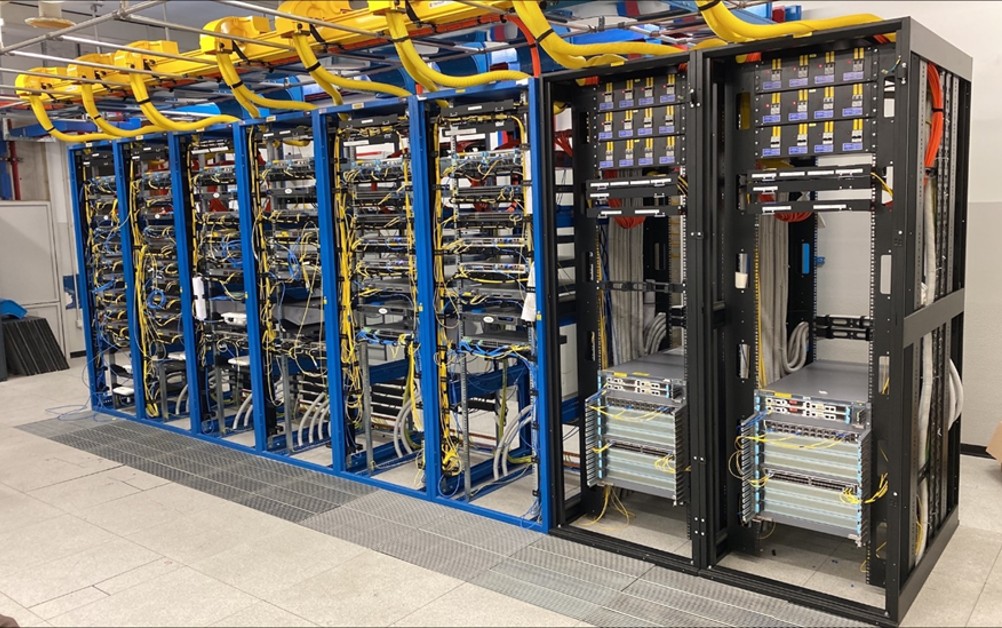
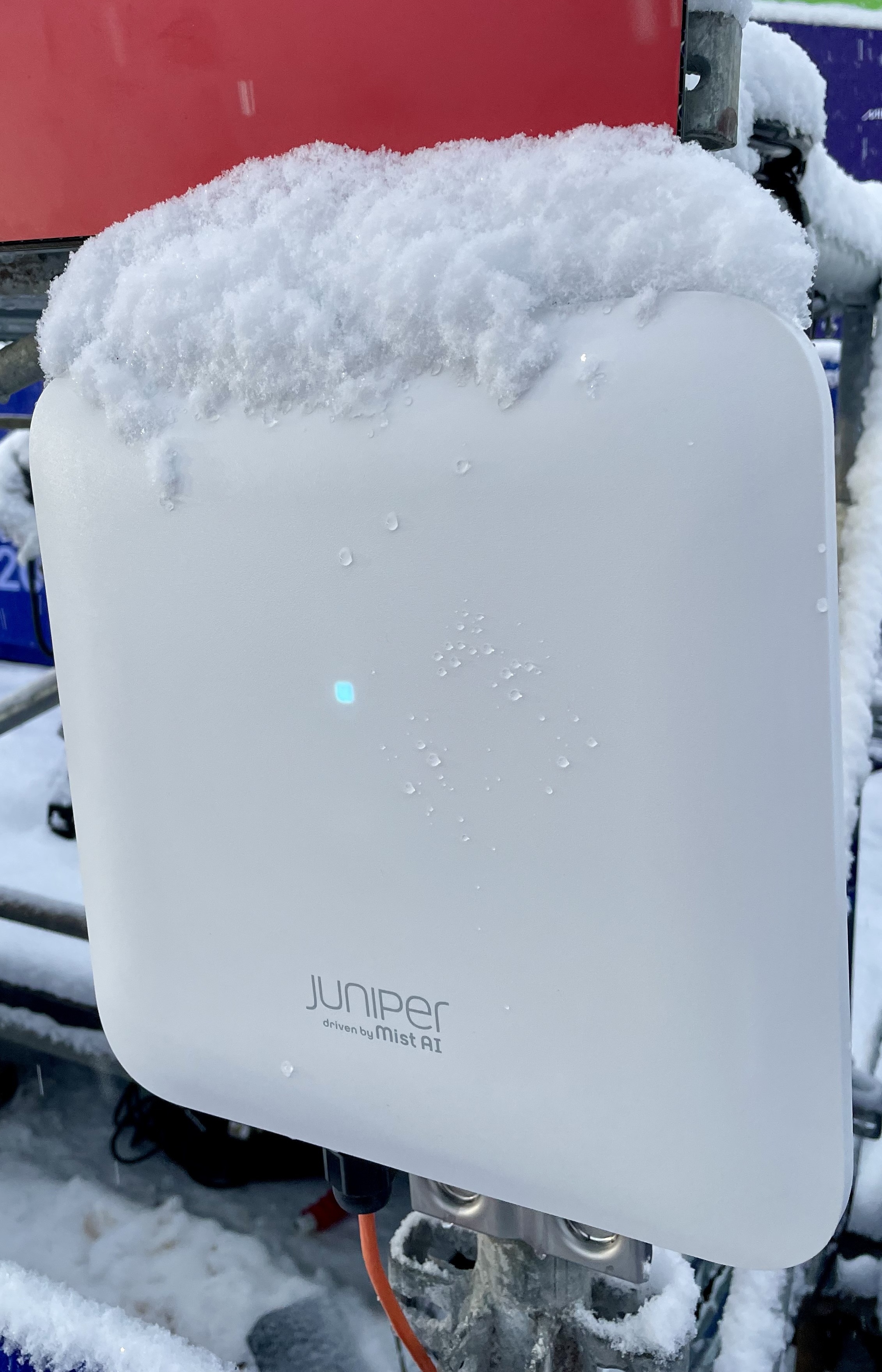
The sheer amount of hardware being used reads like a shopping list for any cloud or infrastructure technology enthusiast - in order to support the 2026 Winter Olympics, HPE deployed more than 4,900 access points, 1500 EX Ethernet switches, 70+ MX universal routers, 50+ SRX next gen firewalls, and 30+ smart session routers.
All of this is managed and monitored by HPE Mist, the company's cloud-based, AI-native system and platform for managing all the networks, allowing them to react and adapt in real-time to dynamic, high-pressure environments such as a crowd leaving an event venue.
You may like-
The next frontier for AI-ready connectivity: efficiency in deployment
-
The AI race explodes as HPE deploys AMD’s Helios racks, crushing limits with Venice CPUs and insane GPU density
-
Powering the AI data center boom: the infrastructure upgrades behind innovation
The company also employed Marvis, its AI assistant designed to help with network issues, spotting problems before they get too elevated, saving time needed for analysis, whilst also training and upskilling staff much more quickly.
All of this comes together for what Rahim says is the ideal self-driving network, able to be self-configuring, self-optimizing and self-healing to hopefully deal with any workload or eventuality.
"I really feel like we are a part of history," Rahim concluded, "we've always at HPE been really good at delivering mission-critical networks, mission-critical infrastructure - and I don't think it gets any more mission-critical than this."
"I believe these games will set a benchmark for how future events and games will be operated...this is what HPE networking does better than anyone else - and why ultimately we were selected to be the networking technology partner of the Olympic Games."
TOPICS AI Mike MooreSocial Links NavigationDeputy Editor, TechRadar Pro
Mike Moore is Deputy Editor at TechRadar Pro. He has worked as a B2B and B2C tech journalist for nearly a decade, including at one of the UK's leading national newspapers and fellow Future title ITProPortal, and when he's not keeping track of all the latest enterprise and workplace trends, can most likely be found watching, following or taking part in some kind of sport.
View MoreYou must confirm your public display name before commenting
Please logout and then login again, you will then be prompted to enter your display name.
Logout Read more The next frontier for AI-ready connectivity: efficiency in deployment
 The AI race explodes as HPE deploys AMD’s Helios racks, crushing limits with Venice CPUs and insane GPU density
 Powering the AI data center boom: the infrastructure upgrades behind innovation
 ‘We built a technology which uses light to control light’: Finchetto CEO on ditching electronics to make networks faster
 How to watch Winter Olympics Opening Ceremony 2026: FREE live streams, schedule, preview
 "AI is too big for the European internet" - so it's time for companies to work together, Nokia says
Latest in Pro
"AI is too big for the European internet" - so it's time for companies to work together, Nokia says
Latest in Pro
 Samsung says it “took the leap” with HBM4, as it starts shipping faster AI memory built on advanced process nodes
 Dynabook Tecra A65-M business laptop review
 Forget zero-days - 'N-days' could be the most worrying security threat facing your systems today, here's why
 Feeling swamped by all the different AI agent names? GoDaddy has a new plan for avoiding confusion
 'If someone can inject instructions or spurious facts into your AI’s memory, they gain persistent influence over your future interactions': Microsoft warns AI recommendations are being "poisoned" to serve up malicious results
 WP Engine-Automattic feud resurfaces with new claims of royalty fees and contract threats
Latest in Features
WP Engine-Automattic feud resurfaces with new claims of royalty fees and contract threats
Latest in Features
 The Arcade2TV-XR is the Meta Quest 3 accessory making me love VR again
 The top 3 Ring alternative video doorbells I recommend, with local storage for your videos
 Nano Banana Pro AI images against Seedream 5.0
 Spotify's new About the Song feature is its most useful addition yet, and I love it
 Monster Hunter Stories 3: Twisted Reflection preview – this Pokémon-style spin-off might not be the game for me
 'Oura’s long‑term vision is to help shift health systems' — Oura's chief medical officer tells us how it's using smart rings to shape US legislation
LATEST ARTICLES
'Oura’s long‑term vision is to help shift health systems' — Oura's chief medical officer tells us how it's using smart rings to shape US legislation
LATEST ARTICLES- 1'Our work for Milano-Cortina is helping create a new generation of network': HPE tells us what it takes to be the network backbone of the 2026 Winter Olympics
- 2'I want to give millions of young people the financial foundation I never had': MrBeast buys a financial planning app for young people, but all we can ask is - why?
- 3You've only got 10 more days to get Surfshark's best plan at a discounted price with 3 extra months thrown in — here's how to claim
- 4Viltrox AF 85mm F1.4 Pro review: the classic pro portrait lens, for less
- 5The Arcade2TV-XR is the Meta Quest 3 accessory making me love VR again