- Pro
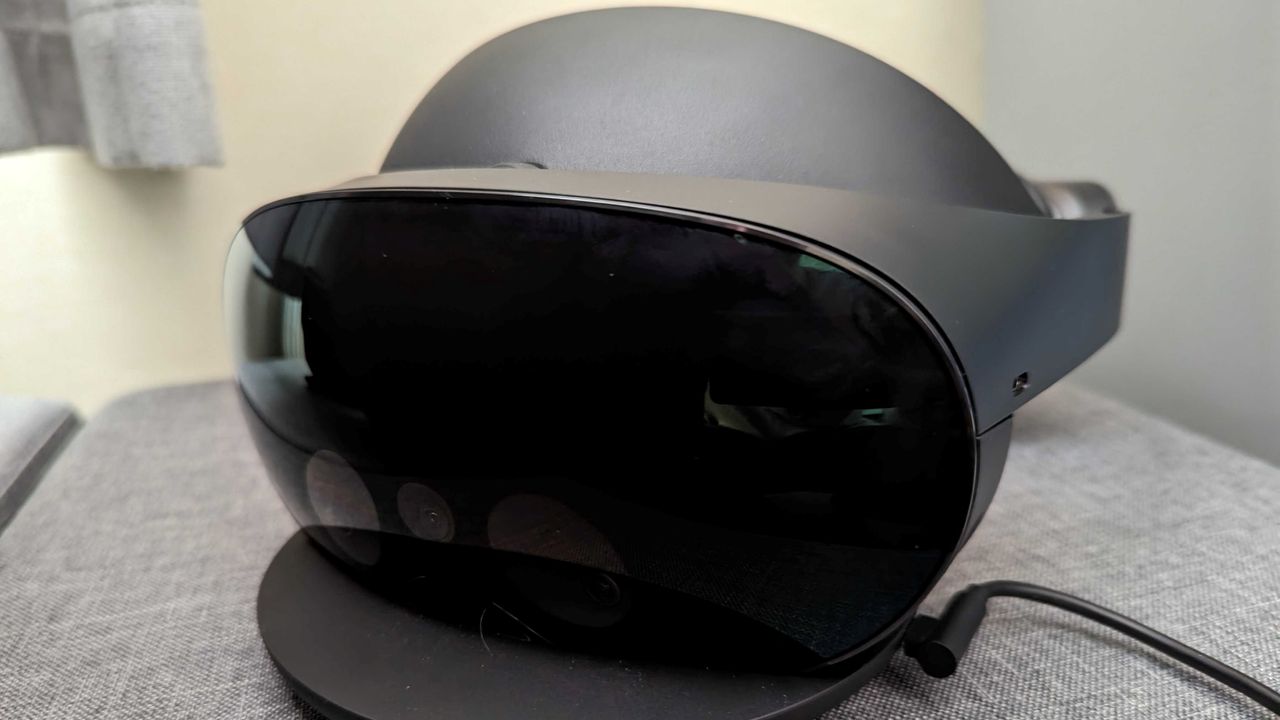
Meta's shift from immersive virtual reality to smart glasses leaves no clear home for business-grade VR/AR headsets
When you purchase through links on our site, we may earn an affiliate commission. Here’s how it works.
 (Image credit: Future)
- Copy link
- X
- Threads
Sign up for breaking news, reviews, opinion, top tech deals, and more.
Contact me with news and offers from other Future brands Receive email from us on behalf of our trusted partners or sponsors By submitting your information you agree to the Terms & Conditions and Privacy Policy and are aged 16 or over.You are now subscribed
Your newsletter sign-up was successful
An account already exists for this email address, please log in. Subscribe to our newsletterIt was promised as a new age for businesses. Virtual reality, augmented reality, mixed reality - in whatever shape it took, this was going to be the 21st century game-changer. No more staring at screens or using a mouse. That's ancient, 20th century thinking, that is.
This new reality would see the advent of true hands-free computing and unparalleled remote experiences, wherever in the world professionals were based. From prototyping to healthcare diagnoses, it heralded a new age. And, like those stuck in Casablanca, we waited. And waited. And waited.
You may like-
 Meta just killed my Meta Quest 4 hype, as it culls several VR game studios
-
 It looks like the end is coming for the Apple Vision Pro — I’m not even surprised
-
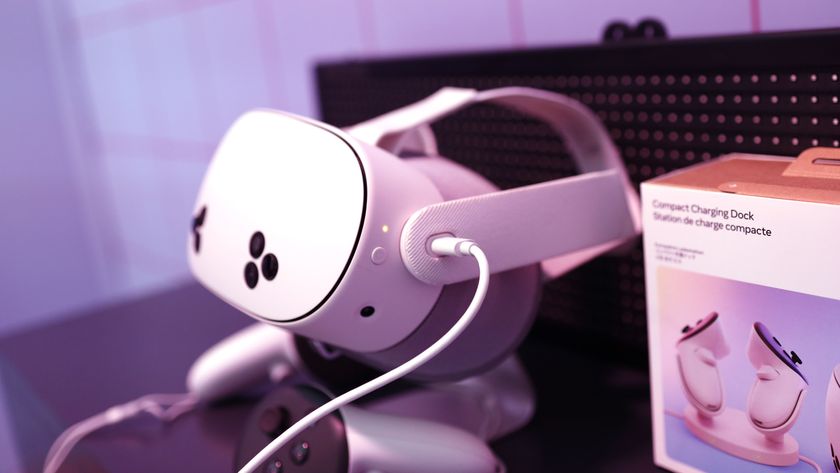 Meta just u-turned on the best VR announcement it ever made — and might have handed the win to Android XR
When Facebook acquired Oculus in 2014, it seemed as if the social giant sought to conquer new worlds to keep growing, even if it had to invent them. A decade later, it's proved to be Meta’s equivalent of Google’s Android purchase.
While the company never characterized the Quest as a video game console - and neither Meta nor the leading console makers referred to the other as major competition - Meta’s developer events would invariably highlight new games as the headset’s leading third-party content.
Are you a pro? Subscribe to our newsletterContact me with news and offers from other Future brandsReceive email from us on behalf of our trusted partners or sponsorsBy submitting your information you agree to the Terms & Conditions and Privacy Policy and are aged 16 or over.
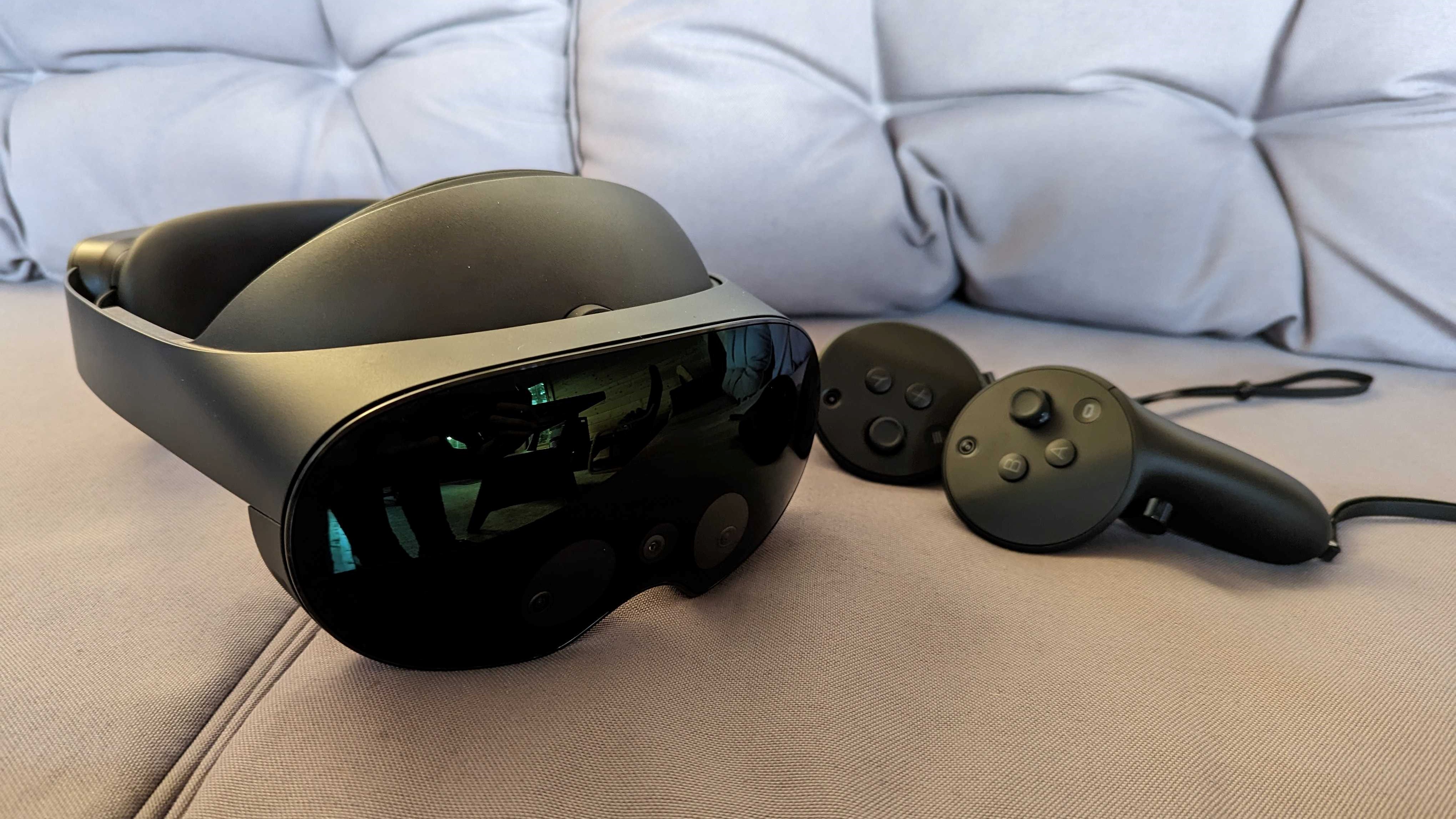
A vision larger than its field of view
There are a number of reasons for the lack of up-take in the professional (and, indeed, gaming) world.
Those grand promises, it turned out, were all mist. As tangible and as real as dreams. That overpromising of the capabilities inevitably led to user backlash when it was discovered they couldn't effectively deliver what businesses needed.
You may like-
Meta just killed my Meta Quest 4 hype, as it culls several VR game studios
-
It looks like the end is coming for the Apple Vision Pro — I’m not even surprised
-
Meta just u-turned on the best VR announcement it ever made — and might have handed the win to Android XR
Features like X-ray vision, simply didn't exist. And what did exist felt as limited as the field of view offered by many devices. Software compatibility remained a perpetual problem - the VR/AR software itself was often unreliable and unresponsive. Integrating that with existing IT architecture was time-consuming, costly, and borderline unscalable.
There were issues with the comfort of headsets during prolonged use - eight hours of a working day using one was all but impossible, assuming the motion sickness didn't get to you first.
Then there was the cost. Developing and manufacturing headsets like the HoloLens was high. For consumers buying them, they were positively prohibitive.
That has a major knock-on effect across the wider VR/AR market, such as gaming.
For example, Quest unit sales have been a small fraction of smartphone sales, making it harder for developers to drive revenue with free-to-play games (at least for exclusive titles). Even Microsoft's Xbox Series X/S consoles, hardly best-sellers themselves, are estimated to have outsold all Quest headsets despite launching after the first Quest.
And while the economics of Meta’s Quest business, which it has long subsidized, include epic losses, it also cleared the field, relegating nearly all other players to the more pro space.
For example, the last HTC Vive was released in early 2023, and the lowest-cost option in the current line-up is about $1,000.
What next then?
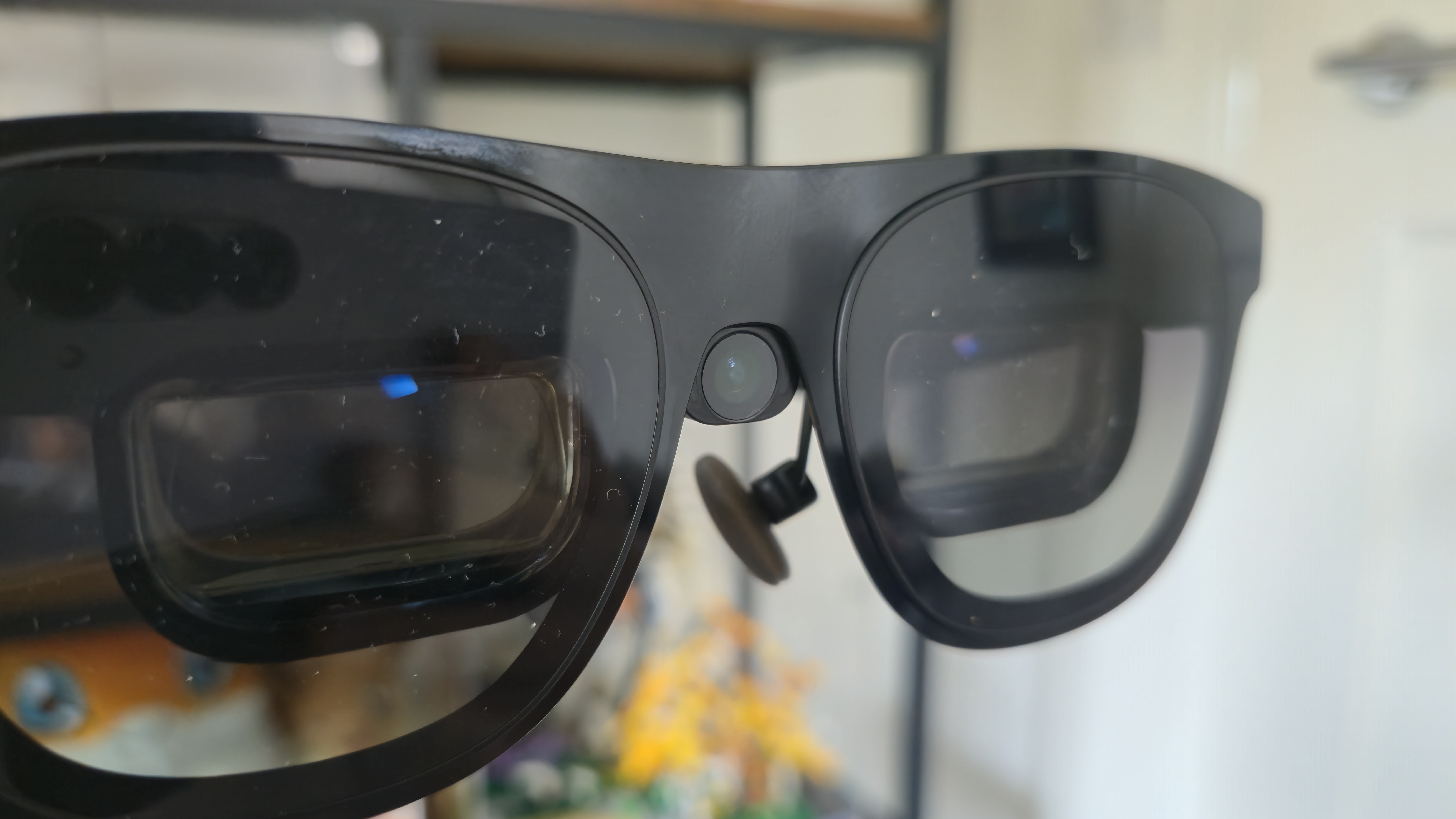
Given that companies such as Meta and Xreal are only now making the jump to in-lens displays, it seems that, until smart glasses can produce something reasonably close to the Quest experience, the momentum is elsewhere.
That said, Google may provide a silver lining.
Because it licenses Android XR to multiple hardware manufacturers, those might include companies more focused on professional business use, particularly with PC vendors coming into the Android fold with the Chrome OS successor "Aluminium."
Late last year, TechRadar's editor-at-large Lance Ulanoff tried out a pair of prototype Android XR smart glasses. In his article said, "I think we're just about done with our dalliances with too-expensive episodic-use immersion devices. The time for AI-powered AR glasses is now here."
Of course, Google hasn’t hit a lot of home runs with Android in categories beyond smartphones, and PC vendors including Acer and HP were burned by Microsoft’s Windows Mixed Reality headset initiative.
But if brands like Dell, HP, Lenovo, Acer, and Asus can get the ball rolling with pro-grade business tools and enhanced AI, there’s potential to sustainably match or exceed what Meta spent big to create and is now moving quickly to abandon.
We've tested the best VR headsets and the best smart glasses.
 Ross Rubin
Ross Rubin is the founder and principal analyst at Reticle Research, a technology research and advisory firm. Ross has been an industry analyst focusing on innovation in products, services, and enabling infrastructure in the tech, media and telecom markets for more than 30 years, writing columns for Engadget, ZDNet, and Fast Company, among other publications. You can contact him on LinkediIn and BlueSky.
With contributions from View MoreYou must confirm your public display name before commenting
Please logout and then login again, you will then be prompted to enter your display name.
Logout Read more Meta just killed my Meta Quest 4 hype, as it culls several VR game studios
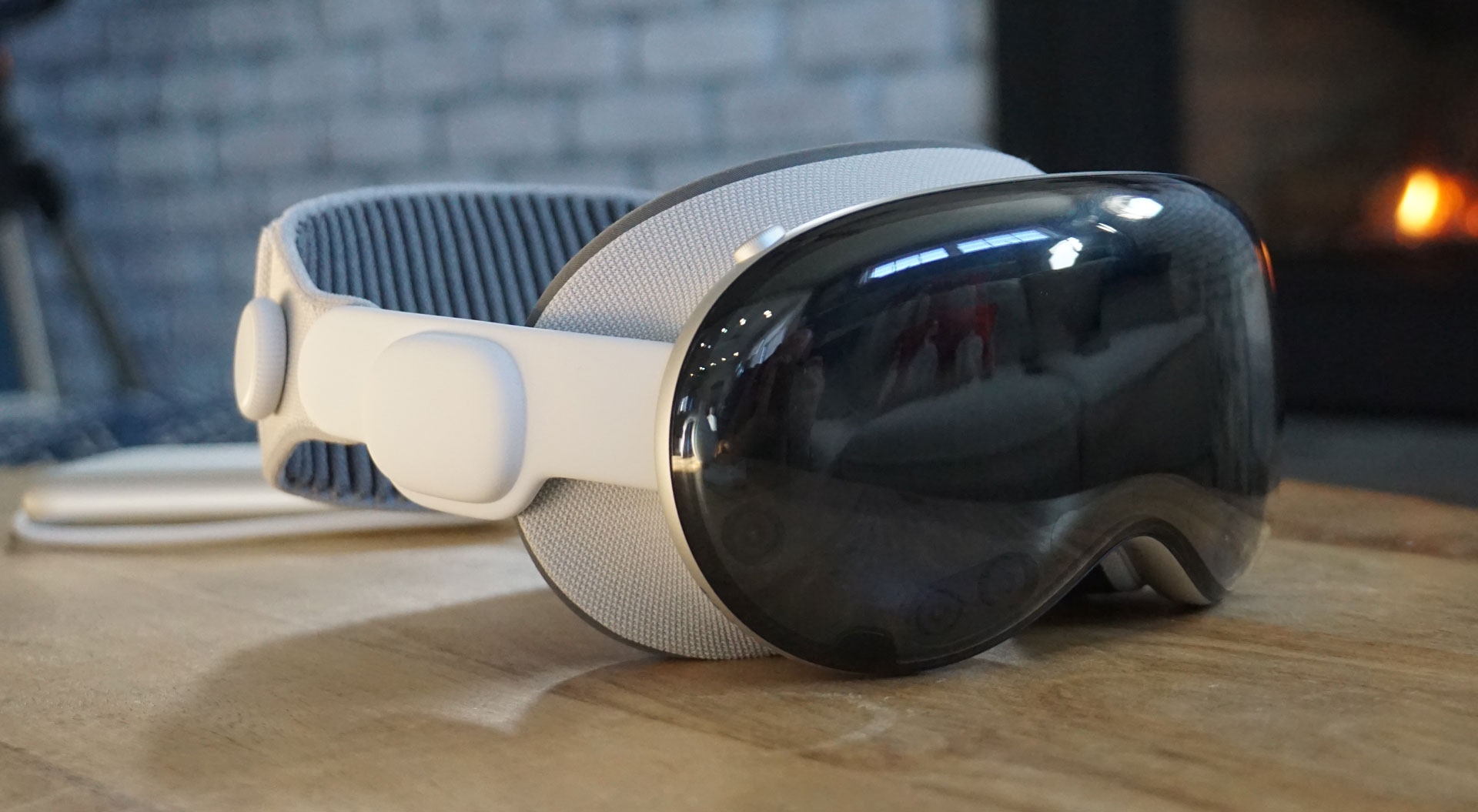 It looks like the end is coming for the Apple Vision Pro — I’m not even surprised
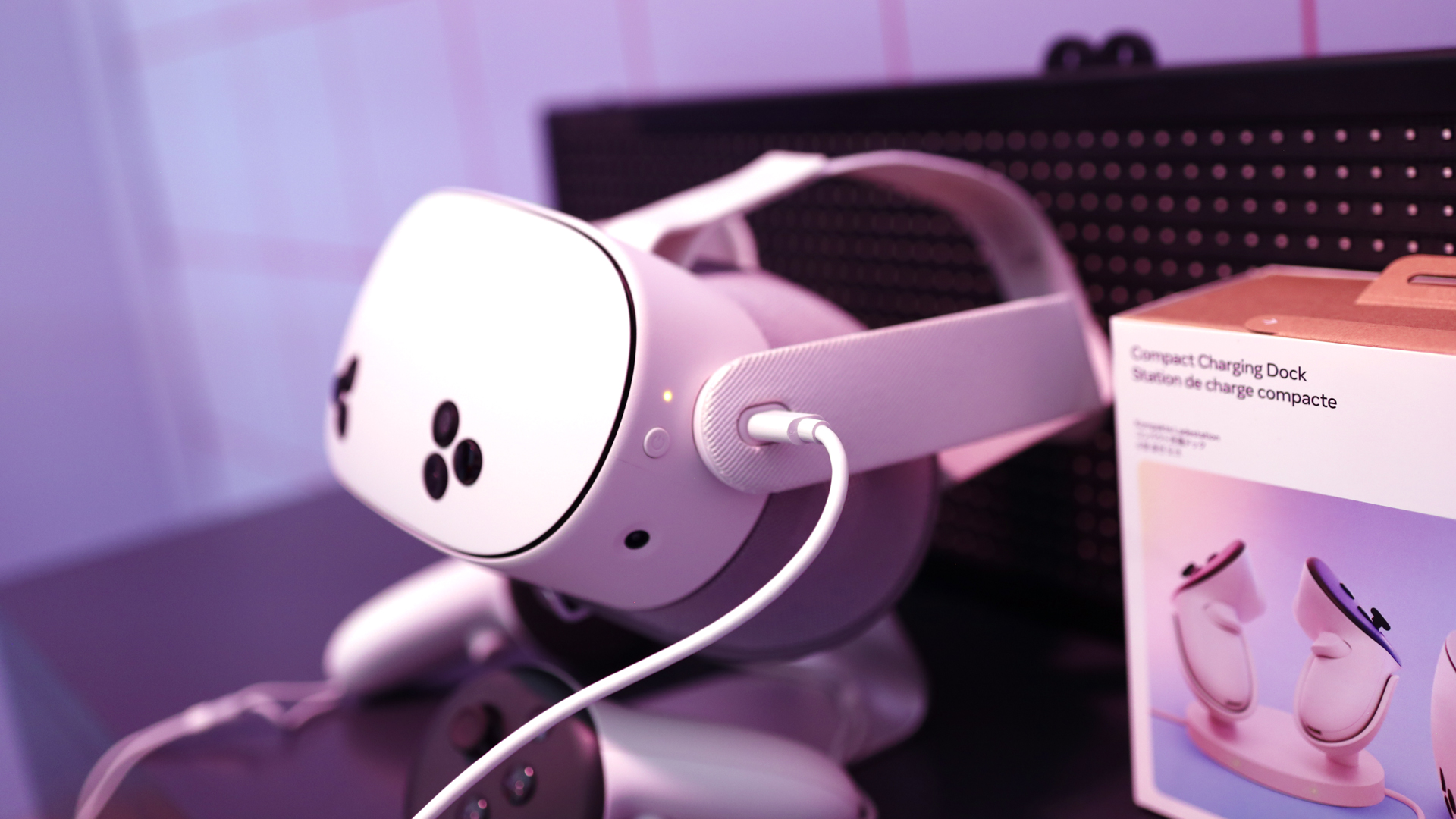 Meta just u-turned on the best VR announcement it ever made — and might have handed the win to Android XR
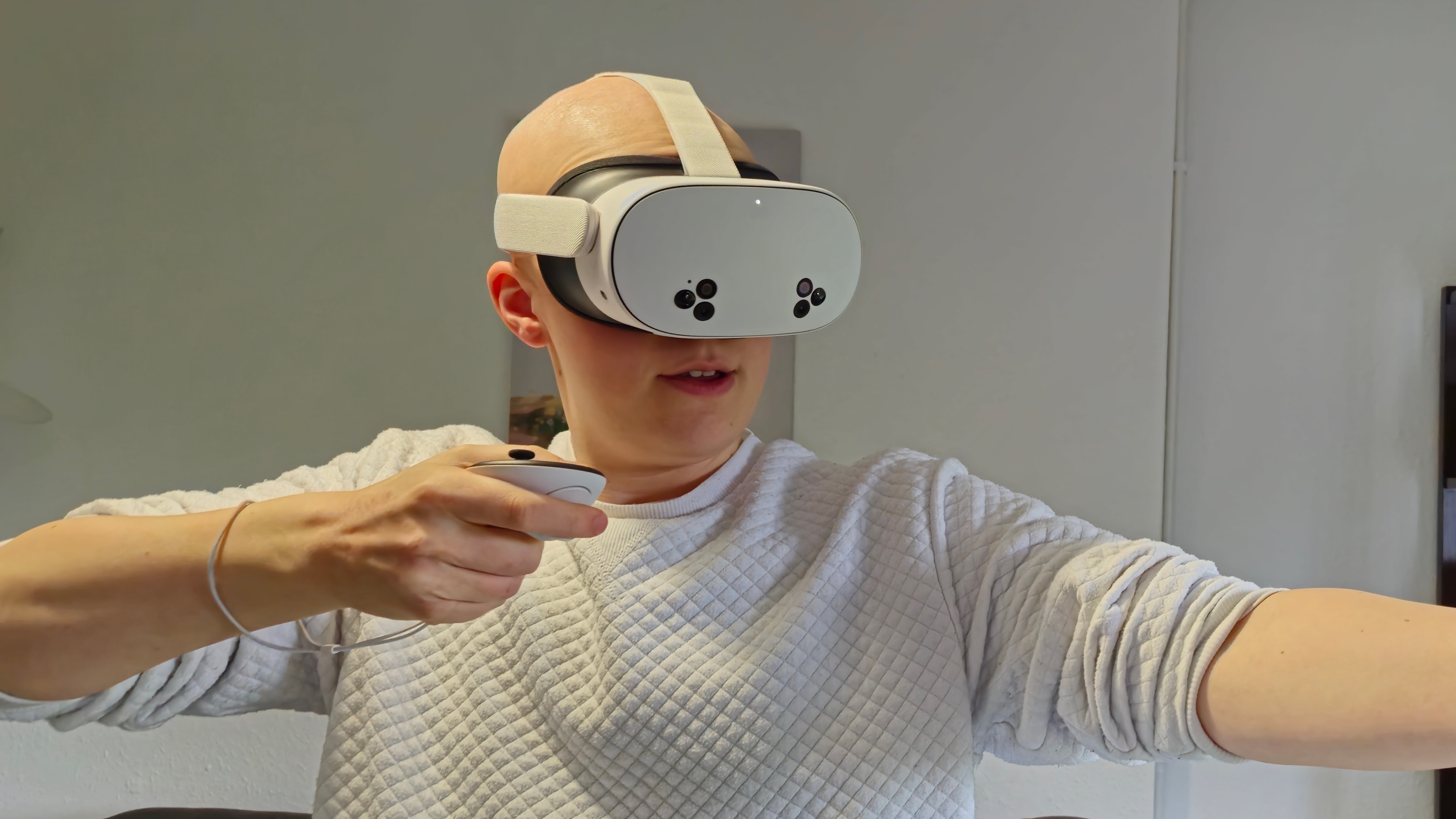 Meta addresses VR layoffs as it reveals new yet familiar metaverse plans
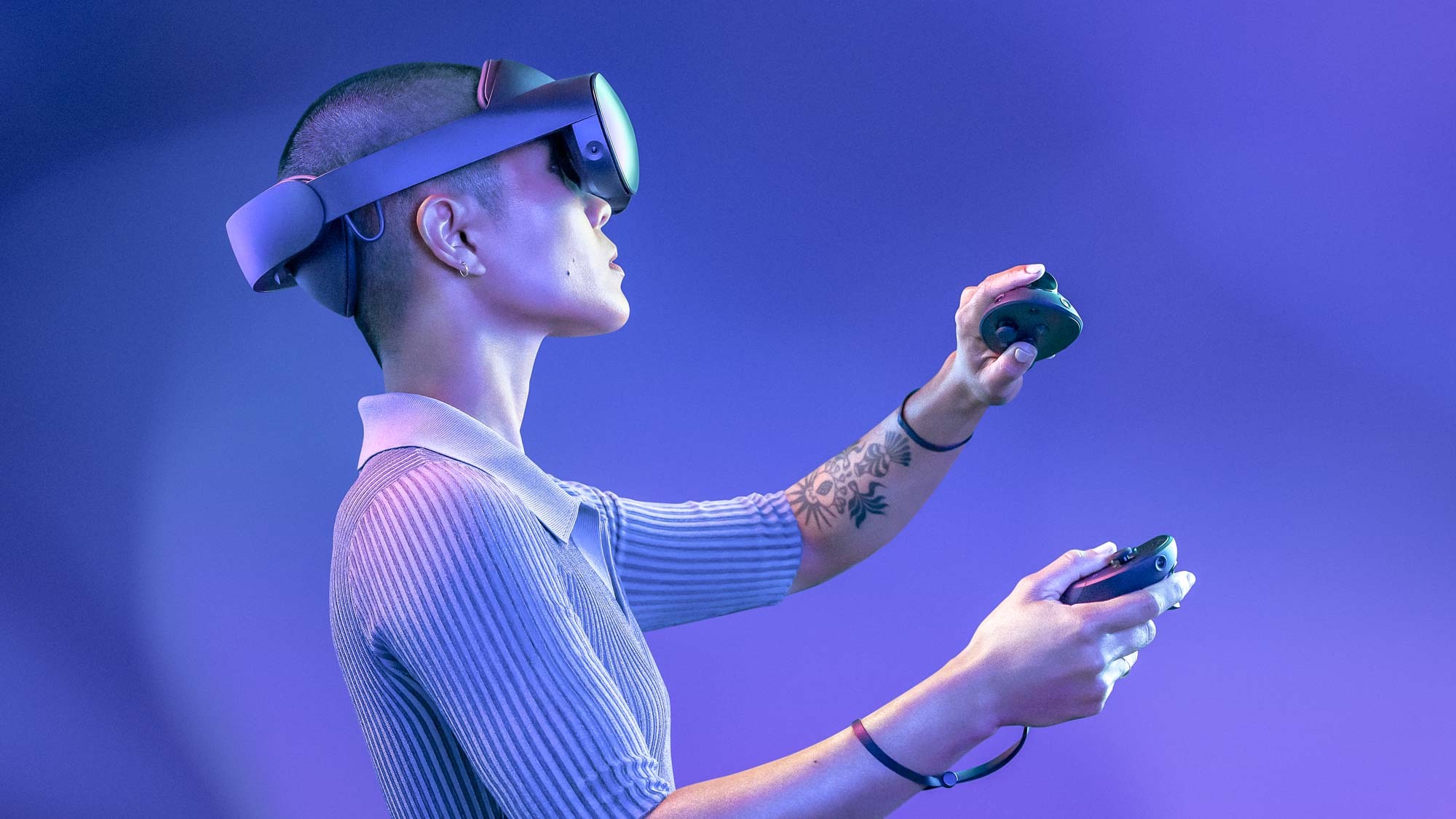 Meta teases ‘future headsets’ despite VR troubles, and an AI upgrade straight from science fiction
 Mark Zuckerberg says it's 'hard to imagine' a future without AI glasses
Latest in Pro
Mark Zuckerberg says it's 'hard to imagine' a future without AI glasses
Latest in Pro
 Samsung says it “took the leap” with HBM4, as it starts shipping faster AI memory built on advanced process nodes
 Dynabook Tecra A65-M business laptop review
 Forget zero-days - 'N-days' could be the most worrying security threat facing your systems today, here's why
 Feeling swamped by all the different AI agent names? GoDaddy has a new plan for avoiding confusion
 'If someone can inject instructions or spurious facts into your AI’s memory, they gain persistent influence over your future interactions': Microsoft warns AI recommendations are being "poisoned" to serve up malicious results
 WP Engine-Automattic feud resurfaces with new claims of royalty fees and contract threats
Latest in Features
WP Engine-Automattic feud resurfaces with new claims of royalty fees and contract threats
Latest in Features
 The Arcade2TV-XR is the Meta Quest 3 accessory making me love VR again
 The top 3 Ring alternative video doorbells I recommend, with local storage for your videos
 Nano Banana Pro AI images against Seedream 5.0
VR's golden age is over, and there wasn't much gold there
Nano Banana Pro AI images against Seedream 5.0
VR's golden age is over, and there wasn't much gold there
 Spotify's new About the Song feature is its most useful addition yet, and I love it
 Monster Hunter Stories 3: Twisted Reflection preview – this Pokémon-style spin-off might not be the game for me
LATEST ARTICLES
Monster Hunter Stories 3: Twisted Reflection preview – this Pokémon-style spin-off might not be the game for me
LATEST ARTICLES- 1VR's golden age is over, and there wasn't much gold there
- 2Hands on: Acer Veriton GN100 AI mini PC workstation
- 3'Our work for Milano-Cortina is helping create a new generation of network': HPE tells us what it takes to be the network backbone of the 2026 Winter Olympics
- 4'I want to give millions of young people the financial foundation I never had': MrBeast buys a financial planning app for young people, but all we can ask is - why?
- 5You've only got 10 more days to get Surfshark's best plan at a discounted price with 3 extra months thrown in — here's how to claim